
Quick Links
- Does Spotify Pay Podcasters Per Stream?
- How Can You Make Money From a Podcast on Spotify?
- 1. Spotify Partner Program
- 2. Spotify Ads: How Much Do Podcasters Earn?
- 3. Premium Video Revenue
- 4. Spotify Podcast Subscriptions
- 5. Spotify Sponsorships
- 6. Spotify Open Access: Keep Patreon, Substack or Another Membership Platform
- So, Can Indian Podcasters Make Money From Spotify?
- How Much Can You Actually Make From a Spotify Podcast?
- How Does Spotify Pay You?
- Do You Need to Host Your Podcast With Spotify to Get Paid?
- What Happened to Ambassador Ads, Automated Ads and Listener Support?
- Should You Monetize Your Podcast as Soon as Possible?
- Frequently Asked Questions [FAQs]
- Wrapping Up: Yes, Spotify Pays Podcasters, but Not Simply for Uploading Episodes
Creating a podcast takes more work than it appears from the outside. There is the research, recording, editing, artwork, publishing, and then the slightly painful part where you realise that recording a good conversation does not automatically mean people are going to find it.
So, once the show starts building an audience, it is perfectly reasonable to ask the obvious question: does Spotify actually pay podcasters?
Yes, Spotify can pay podcasters, but it does not work like a simple fixed payment every time somebody presses play.
There is no universal “Spotify pays podcasters $X per 1,000 streams” rate that applies to every podcast. How much you can earn depends on the monetization program you qualify for, where you live, where your listeners are, whether you publish audio or video, how much your audience watches or listens, the advertising delivered into your episodes, and whether you sell paid subscriptions or sponsorships.
And quite a lot has changed since I originally wrote this guide.
The old Tiny Quip article covered Ambassador Ads, Automated Ads, Listener Support, and Spotify Podcast Subscriptions. Spotify’s current creator system is different, with the Spotify Partner Program now combining advertising and Premium video revenue, alongside paid subscriptions, external paid memberships through Spotify Open Access, and newer sponsorship tools for video podcasters.
So let’s look at how Spotify actually pays podcasters today, what you need to qualify, how much Spotify keeps, and what your options are if the monetization features are not yet available in your country.
Your Audience is Yawning
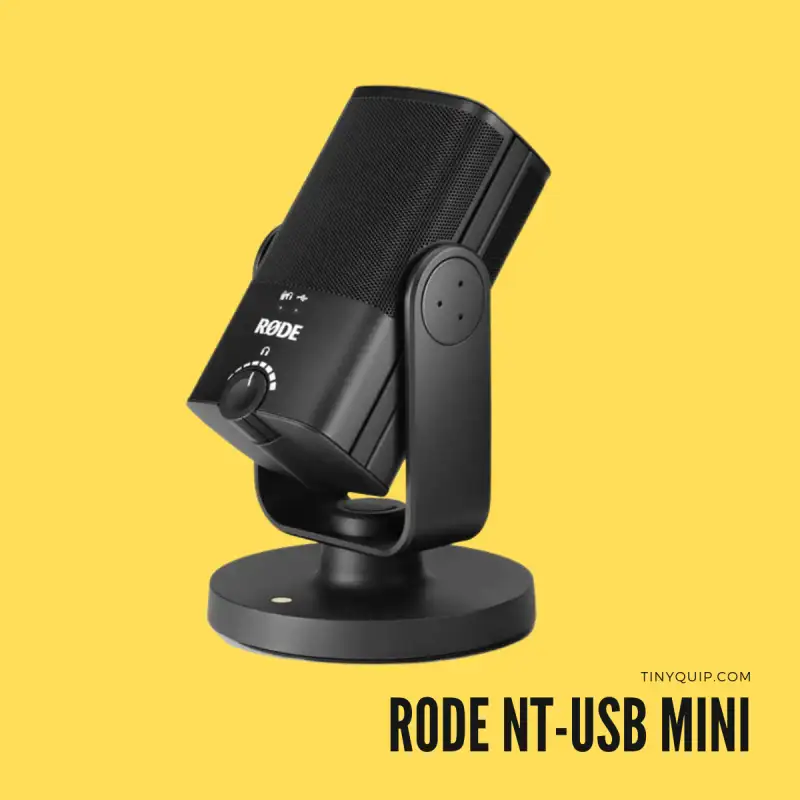
Two things can make your audience sleepy while listening to your podcast. One is a boring script, and the second is poor audio.
Here are my favorite 10 best microphones for podcasters that will make you sound-sick professional. And also budget-friendly for beginners and professionals.
Does Spotify Pay Podcasters Per Stream?
Not in the simple way people usually mean when they ask this question.
Spotify doesn’t have a public flat podcast rate where every play automatically earns the creator the same amount. Simply getting 10,000 podcast plays does not mean Spotify multiplies that number by a standard rate and deposits the money into your bank account.
Instead, Spotify pays through specific monetization programs.
For advertising through the Spotify Partner Program, earnings depend on ads that are actually monetized and served in your episodes. For eligible video episodes watched by Spotify Premium members, Spotify can pay creators based on qualifying video consumption using its own payment formula. Paid subscriptions work differently again because listeners are directly paying for access to premium content.
This distinction is important because you’ll occasionally come across online calculators claiming that Spotify pays podcasters a fixed amount per stream.
I wouldn’t rely on those.
The number of people listening certainly matters because you need an audience before most monetization becomes meaningful, but a podcast stream itself is not a guaranteed fixed payment.
If you want to understand the audience side before thinking about monetization, I also have a separate guide explaining what Spotify actually lets you see about your podcast listeners.
How Can You Make Money From a Podcast on Spotify?
Spotify currently offers a few different routes, and they don’t all work the same way.
| Monetization method | How you earn | Important requirement |
|---|---|---|
| Spotify Partner Program: Ads | Share of Spotify-monetized advertising revenue | Eligible Spotify-hosted show |
| Spotify Partner Program: Premium video revenue | Payment based on qualifying Premium video consumption | Eligible video podcast |
| Spotify Subscriptions | Fans pay monthly for premium content | Spotify-hosted show in supported market |
| Spotify Sponsorships | Your own host-read sponsorship deals | Video show in Partner Program |
| Spotify Open Access | Paid members from platforms such as Patreon or Substack can access content on Spotify | Supported external membership platform |
The right option depends heavily on where you are in your podcast journey.
A show with a small but loyal audience may have more success selling premium content than waiting until it becomes large enough for meaningful advertising revenue. A video podcast with substantial watch time may find the Partner Program more interesting, while a creator who already earns through Patreon may not need to move the entire paid membership system into Spotify at all.
Let’s look at each one properly.
1. Spotify Partner Program
The Spotify Partner Program is now Spotify’s main built-in monetization program for eligible podcast and video creators.
It combines two different revenue streams:
- advertising revenue;
- Premium video revenue.
To apply today, Spotify says your show needs to:
- be hosted with Spotify for Creators;
- have a legal address in an eligible market;
- have at least 3 published episodes;
- reach at least 2,000 consumption hours on Spotify during the last 30 days;
- reach at least 1,000 audience members on Spotify during the last 30 days.
Spotify uses streams rather than ordinary plays when evaluating the Partner Program. A stream counts when someone listens to or watches an episode on Spotify for at least 60 seconds.
Meeting the numbers doesn’t automatically mean Spotify accepts every show. You apply through the Monetize section of Spotify for Creators, and Spotify reviews the show against its monetization policies.
Where Is the Spotify Partner Program Available?
As of September 27, 2026, the program is currently available in:
Europe: Austria, Belgium, Denmark, Finland, France, Germany, Iceland, Ireland, Liechtenstein, Luxembourg, Monaco, the Netherlands, Sweden, Switzerland, and the United Kingdom.
North America: Canada and the United States.
Oceania: Australia and New Zealand.
Spotify has already announced a substantial expansion for October 20, 2026, adding countries across Europe, Latin America, Central America, and the Caribbean, including Italy, Spain, Poland, Mexico, Brazil, Chile, Colombia, and several others.
For Indian podcasters, there is an unfortunate answer at the moment: India is not currently listed as a Spotify Partner Program market, and it is not included in the October 20 expansion Spotify has announced either.
That doesn’t mean an Indian podcaster cannot make money from a Spotify audience. It means this particular built-in Spotify program isn’t currently available to creators based in India.
We will come back to the alternatives further down.
2. Spotify Ads: How Much Do Podcasters Earn?
If your show is accepted into the Spotify Partner Program, you can insert ad breaks into eligible episodes and let Spotify deliver targeted advertising.
Spotify currently says creators receive 50% of the revenue Spotify recognizes for each ad monetized by Spotify that plays in the show. Those ads can run on Spotify and, where applicable, on other podcast platforms through the distributed version of your episode.
There is an important detail here: adding an ad break doesn’t guarantee an ad will play every single time somebody listens.
Ad availability depends on advertisers, listeners, geography, targeting, inventory, and other factors. So two podcasts with exactly the same number of streams could generate very different advertising revenue.
You also need to add at least one ad break to an episode for that episode to earn Spotify Partner Program ad revenue.
For audio episodes distributed outside Spotify, those ads can travel through your podcast RSS feed and play on other compatible listening platforms too.
This is very different from the old Ambassador Ads and Automated Ads structure described in the original Tiny Quip article. Spotify is transitioning its remaining Ads beta creators into the Spotify Partner Program, with the old Ads beta scheduled to end on October 19, 2026.
So I wouldn’t build a new podcast monetization strategy around Ambassador Ads or the old Automated Ads terminology anymore.
3. Premium Video Revenue
This is probably the biggest reason Spotify podcast monetization looks different today.
Spotify has been investing heavily in video podcasts, and eligible creators inside the Spotify Partner Program can earn when Spotify Premium members watch their video episodes.
Premium members in supported markets can watch eligible video podcasts without Spotify’s dynamic advertising interrupting the video. Since Spotify isn’t monetizing those particular views through normal inserted ads, eligible creators can instead receive Premium video revenue based on how their content is consumed.
There is no simple public rate such as:
1,000 video views = $20.
Spotify uses a proprietary formula and says factors can include qualifying consumption time, the viewer’s market, the number of Premium users consuming the content, and overall eligible video consumption.
That makes those “Spotify video podcast CPM” estimates you may find online something I would treat cautiously unless they are based on a creator’s actual earnings.
There is another important requirement: Spotify says the video episode needs at least one ad break to qualify for Premium video revenue, even though Spotify Premium viewers can receive the uninterrupted version without dynamic ads.
If you are starting a podcast today and are comfortable on camera, this is one reason I would at least think seriously about video instead of treating the show as audio-only by default.
4. Spotify Podcast Subscriptions
Advertising isn’t the only way Spotify can pay creators.
You can also charge listeners directly for premium podcast content through Spotify Subscriptions if your show and location qualify.
As of September 27, 2026, Spotify currently requires:
- at least 2 published episodes;
- at least 100 Spotify audience members during the previous 30 days;
- a show hosted with Spotify for Creators;
- a creator in an eligible subscription market.
Eligible creators can offer things such as bonus episodes, extended episodes, full versions where free listeners receive previews, early access, subscriber-only video, fewer ads, or other membership benefits.
Spotify currently offers native Subscriptions in the United States, Canada, Australia, New Zealand, Hong Kong, Singapore, and a range of European countries. India is not currently included in the supported-market list.
If you qualify, you can set this up from Spotify for Creators on the web. Tiny Quip also has a dedicated step-by-step guide on how to create a paid podcast subscription on Spotify.
How Much Does Spotify Take From Podcast Subscriptions?
This is another area where the old article is badly outdated.
As of September 27, 2026, Spotify says creators keep their subscription earnings minus its current processing charges. The main payment-processing fee is 5.5%, with possible foreign-exchange charges of 0.8% or 1.6% when currency conversion is involved, along with applicable taxes.
However, Spotify has already announced a change.
Starting October 20, 2026, Podcast Subscriptions will evolve into Memberships. Spotify says new Membership payments will have a 10% platform fee, which includes payment processing, foreign-exchange, and payout fees, with taxes deducted where applicable. Existing Podcast Subscriptions that migrate into Memberships will retain the older 5.5% processing structure, plus applicable foreign-exchange fees, until that particular subscriber cancels.
That distinction matters because the October pricing is not live yet as I write this.
If you’re reading this after October 20, check Spotify’s current fee schedule because creator monetization changes surprisingly quickly.
5. Spotify Sponsorships
This is different from Spotify serving its own targeted ads.
If you have a sponsor who is directly paying you to promote their product, Spotify now provides tools for eligible video creators to manage those host-read sponsorship segments.
You can upload a sponsorship segment separately rather than permanently baking it into every video, choose which episodes it appears in, set start and end dates, and update the sponsor later without needing to replace the entire episode.
To use Spotify’s Sponsorships tool, you need to be in the Spotify Partner Program and publish video episodes.
Spotify currently says it charges no transactional fee for using the Sponsorships feature itself.
This is particularly useful for older episodes.
Imagine a sponsor buys placement across five episodes for three months. Once the campaign finishes, you can remove that sponsorship without permanently leaving an outdated advertisement inside your back catalogue.
Spotify currently allows up to two sponsorship locations per episode through this system and prevents placements within the first 30 seconds.
Of course, nothing stops podcasters from arranging sponsorships independently outside Spotify either. If a company directly pays you ₹50,000 or $1,000 to mention its product, that income is coming from the sponsor rather than Spotify.
Spotify is simply giving eligible video creators better tools for managing those agreements.
6. Spotify Open Access: Keep Patreon, Substack or Another Membership Platform
This is particularly interesting if Spotify’s native subscriptions aren’t available in your country or you already run your paid community somewhere else.
Spotify Open Access lets creators connect supported third-party membership platforms so paying subscribers can listen to the premium podcast directly inside Spotify while the actual subscription remains managed by the external platform.
Current integrations include platforms such as:
Patreon, Substack, Beehiiv, Supercast, Supporting Cast, Memberful, Transistor, Fourthwall, and several others.
This means you don’t necessarily need Spotify to process the payment.
For example, someone could pay you through Patreon, authenticate that membership with Spotify, and then listen to your paid episodes through the Spotify app alongside the other podcasts they already follow.
For creators who want ownership of the customer relationship or already have a paid community elsewhere, I actually find this model quite interesting.
And it becomes especially relevant in markets where Spotify’s own native monetization features are still unavailable.
So, Can Indian Podcasters Make Money From Spotify?
Yes, but there is an important distinction.
As of September 27, 2026, India is not on Spotify’s current list for the Spotify Partner Program, and India is also absent from the current market list for Spotify’s native Podcast Subscriptions. It is not part of the Partner Program expansion Spotify has announced for October 20 either.
So if you’re an Indian podcaster, simply publishing a popular podcast on Spotify does not currently unlock the same built-in revenue programs available to creators in places such as the US, UK, Canada, Australia, or Germany.
But you can still monetize the audience through other means:
- direct brand sponsorships;
- affiliate links;
- your own products or services;
- courses or communities;
- Patreon, Substack or another compatible paid membership platform;
- paid content connected to Spotify through Open Access where your chosen membership service supports it.
In other words, Spotify can still be where people listen without necessarily being where the payment happens.
That is an important difference.
If you are building a podcast in India, I wouldn’t wait for Spotify’s monetization button to arrive before thinking about revenue.
How Much Can You Actually Make From a Spotify Podcast?
There isn’t a useful universal answer.
Someone with a highly engaged niche podcast can make considerably more from 5,000 listeners through sponsorships or memberships than another creator makes from 100,000 casual listeners through ads.
Advertising depends on ad inventory and monetized impressions.
Premium video revenue depends on qualifying video consumption and Spotify’s proprietary calculation.
Subscriptions depend on how many listeners are willing to pay and what monthly price you choose.
Sponsorships depend on what brands are willing to pay for access to your particular audience.
And revenue from your own products, services, or affiliate partnerships can vary even more.
So instead of asking:
“How much does Spotify pay for 10,000 podcast streams?”
I would ask:
“What percentage of my audience is actually valuable enough to monetize, and which revenue model fits that audience?”
Those are very different questions.
A podcast about enterprise cybersecurity with 3,000 highly relevant decision-makers may be incredibly valuable to one sponsor. A general entertainment show may need a much larger audience before advertising generates the same amount.
This is why your audience analytics matter. If you haven’t looked at them properly yet, Tiny Quip’s guide on who listens to your Spotify podcast and what Spotify analytics reveal is a good place to start.
How Does Spotify Pay You?
For the Spotify Partner Program, Spotify uses Spotify Payouts.
Once your show is approved, you need to finish the payout setup and provide the required bank and tax information before earnings can actually be paid. Spotify currently processes Partner Program payouts automatically each month, generally during the final two working weeks of the month.
There is also an initial onboarding period of roughly 30 days before the first payout becomes eligible.
Spotify currently requires at least $10 in accumulated earnings before making a payout. If your balance remains below that amount, the money rolls forward until the threshold is reached.
Subscriptions currently use Stripe and also have a $10 minimum payout threshold, with payments operating on a rolling schedule after the initial qualifying period.
Taxes and local payment requirements naturally depend on where the creator is based, so your gross earnings aren’t necessarily the amount that ultimately reaches your bank account.
Do You Need to Host Your Podcast With Spotify to Get Paid?
For some Spotify monetization tools, yes.
The Spotify Partner Program currently requires shows to be hosted through Spotify for Creators, and native Spotify Subscriptions also require Spotify hosting.
Spotify Open Access is different because the paid membership can be managed externally.
And podcast sponsorships arranged directly between you and a company obviously don’t require Spotify to be your payment provider at all.
If you currently host somewhere else and are thinking about moving specifically for monetization, don’t rush the migration only because you saw a Monetize tab.
First, check whether the program is actually available in your country and whether you meet the audience requirements.
If you later decide to move hosting, I have a separate guide explaining how to change your podcast RSS feed on Spotify for Creators without unnecessarily breaking the show’s existing distribution.
What Happened to Ambassador Ads, Automated Ads and Listener Support?
This is probably the biggest update needed in the original Tiny Quip article.
The old monetization system included Ambassador Ads, Automated Ads, and Listener Support.
Those are not the monetization options I would tell a new creator to plan around today.
Spotify now presents the Spotify Partner Program, Sponsorships, native Subscriptions, and Spotify Open Access as its current creator monetization products.
Spotify’s remaining invite-only Ads beta is also being replaced by the Partner Program. Existing Ads beta creators have until October 19, 2026, to move into the Spotify Partner Program before access to the old program ends.
So if you are reading an older guide telling you to qualify for Ambassador Ads or wait for an invite into Automated Ads, check the publication date.
Spotify’s podcast monetization system has moved on.
Should You Monetize Your Podcast as Soon as Possible?
Not necessarily.
I understand the temptation. You have spent money on a microphone, editing software, hosting, and hours of your time, so seeing the first ₹500 or $10 come back feels satisfying.
But I wouldn’t make monetization the first thing a new podcast optimizes.
A show with three weak episodes, poor audio, no clear subject, and almost no returning listeners isn’t suddenly going to become sustainable because you found somewhere to insert an advertisement.
At the beginning, I would spend more energy making the actual show worth returning to.
That means getting the basics right, from choosing a podcast name and creating good podcast cover art to writing a podcast script that doesn’t feel like somebody is reading a document into a microphone.
And yes, the audio still matters. A good episode can survive an average microphone, but an irritating recording makes listening much harder than it needs to be. If you’re still working on that part, I have my current list of the best microphones for podcasting and a separate guide on cleaning your podcast microphone without damaging it.
Once people actually return for the show, monetization becomes much easier to think about.
Frequently Asked Questions [FAQs]
Yes. Eligible creators can earn through the Spotify Partner Program, which includes advertising and Premium video revenue, along with paid Subscriptions and other monetization tools. Eligibility depends on the creator’s location, audience, hosting setup, and the monetization feature being used.
Spotify does not publish a universal flat podcast payment for every stream. Ad revenue depends on monetized advertising, while Premium video revenue uses Spotify’s own formula based on factors including qualifying consumption and viewer markets.
Creators in the Spotify Partner Program currently receive 50% of the revenue Spotify recognizes from ads monetized by Spotify that play in their episodes. The actual amount varies because individual advertisements and audiences have different values.
For the current Spotify Partner Program, you need at least 1,000 Spotify audience members and 2,000 consumption hours during the previous 30 days, along with at least three published episodes and an eligible location. Native Spotify Subscriptions have a lower threshold of at least two episodes and 100 Spotify audience members during the previous 30 days.
Eligible creators in the Spotify Partner Program can earn Premium video revenue when Spotify Premium members in supported markets consume eligible video episodes. Spotify uses a proprietary formula rather than publishing one fixed rate per video view.
Spotify’s current Partner Program and native Podcast Subscriptions are not available to creators based in India as of September 27, 2026. Indian podcasters can still earn through independent sponsorships, affiliate arrangements, their own products or memberships, and compatible external paid-podcast platforms.
Until October 19, 2026, Spotify’s current native Subscription fee includes a 5.5% payment-processing charge, with possible foreign-exchange fees and taxes. Starting October 20, new Membership payments will use a 10% platform fee, while existing migrated subscribers retain the old processing structure until they cancel.
Yes, provided the membership platform is integrated with Spotify Open Access. Spotify currently supports several external platforms including Patreon, Substack, Supporting Cast, Supercast, Beehiiv and others, allowing paying subscribers to access premium podcast content inside Spotify.
For the Spotify Partner Program and Spotify’s native Subscriptions, the show currently needs to be hosted through Spotify for Creators. Other models, including independent sponsorships and Spotify Open Access through supported external membership platforms, can work differently.
Spotify Partner Program payouts are generally processed monthly after an initial onboarding period, with a minimum balance of $10 before payment. Native subscription payouts currently use Stripe on a rolling schedule and also require at least $10 in earnings for the payout period.
Wrapping Up: Yes, Spotify Pays Podcasters, but Not Simply for Uploading Episodes
So, does Spotify pay podcasters? Yes, but Spotify doesn’t simply pay everybody who uploads a podcast or hand out a fixed amount for every stream.
The Spotify Partner Program can pay eligible creators through advertising and Premium video consumption. Native Subscriptions let qualifying podcasters charge their most loyal listeners directly, while video creators in the Partner Program can manage their own sponsorships. Spotify Open Access also means creators can keep a paid membership on platforms such as Patreon or Substack while still letting subscribers listen through Spotify.
Which one makes sense depends on your audience.
For a new podcast, I wouldn’t spend the first few months checking the Monetize tab after every episode. Build a show people actually return to, understand who listens to your Spotify podcast, and then look at whether advertising, subscriptions, sponsorships, or a paid community fits those listeners.
And if Spotify’s built-in programs aren’t available where you live, don’t interpret that as “my podcast cannot make money.”
Spotify can be the place your audience listens while the actual business lives somewhere else.
That is especially true for creators in markets such as India today, where the audience opportunity on Spotify exists even though Spotify’s own creator monetization programs have not yet fully arrived.
Before You Leave
Get Our Prime Content Delivered to your Inbox for Free!! Join the Ever-Growing Community… Right Now.
Give this article a quick share,