
Quick Links
- Can Any Podcaster Create a Paid Subscription on Spotify?
- How to Create a Paid Podcast Subscription on Spotify
- Should You Make Existing Podcast Episodes Paid?
- What Should You Charge for a Spotify Podcast Subscription?
- Don’t Assume a Fixed Percentage of Your Audience Will Subscribe
- Free Podcast vs Paid Podcast: You Usually Need Both
- What Content Can You Give Paid Podcast Subscribers?
- How Do Paid Episodes Look to Spotify Listeners?
- Can Subscribers Listen Outside Spotify?
- How to Promote Your Paid Podcast Without Annoying Your Free Audience
- Spotify Can Also Link a Free and Paid Version of a Podcast
- Use Spotify Analytics Before Deciding What to Put Behind the Paywall
- Can You Download Your Spotify Subscriber Email List?
- How to Keep Paid Podcast Subscribers From Cancelling
- Should You Offer Ad-Free or Uninterrupted Episodes?
- What Happens if You Change Your Subscription Price?
- How Does Spotify Pay Podcast Subscription Earnings?
- What if Spotify’s Native Subscription Feature Is Not Available to You?
- Native Spotify Subscription or an External Membership Platform?
- Your Paid Podcast Still Needs to Look and Sound Good
- Frequently Asked Questions [FAQs]
- Wrapping Up: Give People a Reason to Pay, Not Just a Paywall
As a creator, it is natural to eventually look for something that can financially support the amount of work going into a podcast. There is the research, writing your podcast script, recording, editing, buying microphones and cameras, creating artwork, publishing episodes, and then spending even more time trying to build an audience around everything you just made.
A paid podcast subscription is one way of turning the most loyal part of that audience into something more sustainable. Instead of relying entirely on advertisements or waiting for a sponsor to find you, you can offer your listeners additional podcast content for a monthly fee.
Spotify for Creators has its own subscription system that lets eligible podcasters lock selected episodes for paying subscribers. Those episodes can include audio or video on Spotify, while subscribers may also be able to listen to the audio through other compatible podcast apps.
The setup itself is fairly simple. The more difficult questions are usually what you should charge, what should actually be paid, whether your audience is ready for it, and how much free content you should continue publishing after the subscription goes live.
Those are the things I want to spend more time on in this guide.
Spotify has also been evolving the language and commercial structure around its paid creator products, so depending on when you are reading this, you may see terms such as Subscriptions or Memberships around the creator dashboard. I will use “paid subscription” throughout this guide because the idea remains the same: listeners pay a recurring amount to access something extra from your podcast.
Your Audience is Yawning
Two things can make your audience sleepy while listening to your podcast. One is a boring script, and the second is poor audio.
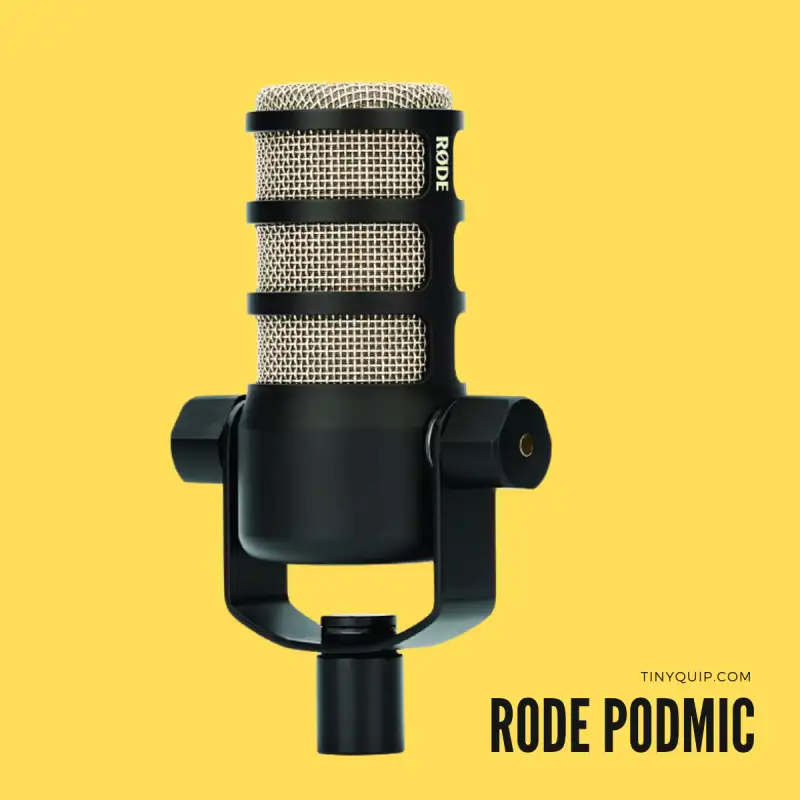
Here are my favorite 10 best microphones for podcasters that will make you sound-sick professional. And also budget-friendly for beginners and professionals.
Can Any Podcaster Create a Paid Subscription on Spotify?
Not immediately.
This is one of the first things that has changed since I originally wrote this guide. Previously, I described Spotify subscriptions almost as something that appeared automatically as long as you hosted the podcast with Spotify.
There are now a few eligibility conditions.
For Spotify’s built-in subscription system, your podcast needs to be hosted through Spotify for Creators, the subscription feature needs to be available in your market, and the show needs to meet Spotify’s minimum publishing and audience requirements.
Spotify currently requires at least two published episodes and an audience of at least 100 Spotify users during the qualifying period before you can begin setting up a subscription.
The important part here is the hosting requirement.
If Buzzsprout, Transistor, Libsyn, Podbean, Captivate, or another company hosts your podcast and Spotify is simply reading its RSS feed, you cannot switch on Spotify’s native subscription feature for that externally hosted show in the same way.
That does not mean externally hosted podcasters have no paid-podcast option on Spotify, though. Later in this guide, I will show you how Spotify Open Access lets creators using supported membership services such as Patreon, Substack, Supercast, Supporting Cast, and others connect paid content to Spotify without moving the entire subscription business into Spotify.
For the native Spotify subscription we are discussing first, however, your show needs to meet the eligibility displayed in Spotify for Creators.
How to Create a Paid Podcast Subscription on Spotify
The initial setup is done through the web version of Spotify for Creators, so I would use a desktop browser rather than starting this from the mobile app.
Once your podcast is eligible, the actual process is straightforward:
- Sign in to Spotify for Creators and select the podcast you want to monetize. Open the Monetize area and find Subscriptions, then choose Get Started. Spotify will ask what kind of paid content you intend to offer. If your account gives you an option for an uninterrupted or ad-free subscription experience, decide whether you want it at this stage because some subscription options need to be selected during the original setup rather than added casually afterwards.
- Connect or create the Stripe account Spotify uses for eligible subscription payments and payouts. If you have already connected Stripe for a supported Spotify monetization feature, you may not need to repeat the entire setup.
- Choose the monthly subscription price. Don’t automatically select the cheapest option, and don’t use the old Tiny Quip recommendation of $2.99 simply because that once felt like a sensible starting point. Your price should depend on what subscribers receive, how often you publish paid content, and what your particular audience is realistically willing to spend.
- Select the episodes you want to make available to subscribers. Spotify allows you to choose from existing episodes, and the system can also be used with future, scheduled, or draft episodes depending on how you plan your content.
- Review everything and update the episodes. Once the subscription is active, selected content becomes available according to the paid-access settings you chose, and you can continue marking future episodes as subscriber-only when you publish them.
After the initial subscription has been created, managing individual paid episodes becomes easier. When publishing a new episode, you can decide whether it should be available to everyone or only to subscribers rather than returning to the full subscription setup every time.
That is useful because a healthy paid podcast usually isn’t one where everything suddenly disappears behind a paywall.
You need a reason for free listeners to keep discovering the show too.
Should You Make Existing Podcast Episodes Paid?
You can, but I wouldn’t immediately start locking your entire back catalogue.
Imagine someone discovers your podcast for the first time today. They see twenty episodes, but eighteen of them require a payment before they have any idea whether they even like you.
That makes the subscription a barrier rather than an upgrade.
I prefer thinking of free episodes as the part of the podcast that continuously introduces new people to your work. Paid episodes should then give the listeners who already enjoy the show something deeper, earlier, longer, more useful, or more personal.
For example, you might keep your normal weekly interview free but make an extended thirty-minute conversation available to subscribers. A research podcast could publish the main episode publicly and offer a deeper subscriber-only follow-up. A creator podcast might keep normal episodes free while subscribers get behind-the-scenes discussions, private Q&A episodes, early access, or monthly bonus recordings.
You could also use paid access for a structured series that makes sense as a premium product.
What I wouldn’t do is take ordinary episodes that listeners already expect from the show, randomly put a lock on them, and hope loyalty alone convinces people to pay.
Your listener should be able to answer a simple question:
What am I getting as a subscriber that I wasn’t already getting for free?
If that answer isn’t obvious, the subscription itself probably isn’t ready.
What Should You Charge for a Spotify Podcast Subscription?
I would not give every podcaster one magic price.
The original version of this guide recommended $2.99 per month as the default. It sounded reasonable, but it was still an arbitrary recommendation because a comedy podcast publishing one bonus episode every two months and an educational podcast publishing four detailed paid episodes every month are selling completely different things.
Instead, start with the value of the paid content.
If the subscription is mostly a way for listeners to support the show and receive occasional bonus episodes, a lower price can make sense because you are asking for a small recurring commitment.
If subscribers receive substantial additional content every week, early access, extended episodes, private discussions, or something that could stand on its own as a small content product, there may be room for a higher monthly price.
The size of your free audience matters too, but not in the way people often think.
You do not necessarily need an enormous podcast audience before subscriptions can work. A small show with a tightly connected community can sometimes support paid content better than a much bigger show filled with casual listeners.
What matters is whether people repeatedly return.
You can use Spotify’s audience and engagement information to understand that better. I have a separate guide explaining what you can see about who listens to your podcast on Spotify, including returning audience, followers, completion, discovery, and other analytics.
Those numbers won’t tell you the perfect price, but they can tell you whether there is actually a loyal audience behind the total play count.
Don’t Assume a Fixed Percentage of Your Audience Will Subscribe
There is another piece of the original Tiny Quip article I would remove completely.
I previously suggested that perhaps 30% of your community could become paid subscribers.
There is no reliable universal percentage like that.
Subscription conversion can vary enormously depending on the podcast, subject, audience, price, relationship with the host, amount of paid content, country, and what subscribers actually receive.
A show could have 10,000 listeners and struggle to convert a small fraction of them. Another creator could have a much smaller community but a group of listeners who consider the podcast genuinely important to them and are happy to support it.
Instead of planning around an internet conversion benchmark, create your own.
Suppose you have 2,000 regular listeners and 40 of them subscribe. You now have a real baseline for your show. After improving the offer, you can see whether 40 becomes 60 or 80.
That is much more useful than deciding in advance that 30% should pay and then wondering why the maths looks nothing like reality.
Free Podcast vs Paid Podcast: You Usually Need Both
One thing I still strongly agree with from the original guide is that you should build the audience before aggressively selling the subscription.
But I would go one step further.
You should probably continue building the free audience after introducing paid content too.
Free and paid content do different jobs.
Your free podcast gives somebody a reason to discover you, search for you, share an episode, find you through Spotify, subscribe to the show, or recommend it to someone else.
Your paid content gives the people who already value the podcast a way to go further.
This is why I would be careful about converting the main show into something that feels empty unless someone pays. There needs to remain enough genuinely useful free content for new listeners to understand why the premium version might be worth buying.
Think of the subscription as a second layer of the podcast rather than a wall built around the first layer.
What Content Can You Give Paid Podcast Subscribers?
This is where the subscription becomes much more interesting than simply putting a lock icon beside a normal episode.
A good paid offer should fit the reason people already enjoy your show.
If listeners love the depth of your interviews, extended cuts make sense. Or, if they listen because they like your personality, behind-the-scenes or informal subscriber episodes could work. If your podcast teaches something, subscriber-only workshops, case studies, Q&A episodes, or deeper lessons may feel valuable.
You can also use early access, ad-free or uninterrupted listening where available, bonus episodes, additional video, private series, archive access, and subscriber questions that get answered on the show.
The goal isn’t to create a huge amount of extra work simply because someone paid you.
You still need the subscription to be sustainable for you.
If promising four bonus episodes a week turns podcasting into a job you hate after the first month, the offer wasn’t designed very well.
I would rather promise one genuinely worthwhile subscriber episode each month and consistently deliver it than announce twelve benefits that quietly disappear once the excitement of launching the subscription is over.
Your podcast script can also help here. If your regular episode already contains sections that are useful but make the public version unnecessarily long, some of those deeper discussions can naturally evolve into bonus material rather than inventing an entirely separate content machine.
How Do Paid Episodes Look to Spotify Listeners?
Subscriber-only episodes appear locked for listeners who have not purchased access.
When someone decides to subscribe, Spotify takes them through a checkout where they provide the information needed for the subscription and payment. After the subscription has been activated, the paid episodes become available to that listener on Spotify.
A Spotify podcast subscription is also separate from Spotify Premium.
Someone paying for Spotify Premium does not automatically receive your subscriber-only podcast episodes. Your podcast subscription is its own recurring purchase because the listener is paying specifically for access to your content.
That distinction is worth making clear when you promote the subscription because some listeners naturally assume their Spotify Premium payment should unlock everything inside Spotify.
It doesn’t.
Can Subscribers Listen Outside Spotify?
For supported audio subscriptions, listeners may be able to use a private RSS feed to hear subscriber-only episodes in another compatible podcast app.
This is one reason understanding the podcast RSS feed is useful even when Spotify handles most of the technical work for you.
A private feed is different from the normal public RSS feed used to distribute your free podcast. The listener receives a unique feed associated with their subscription and can add it to a compatible podcast app where that functionality is supported.
They should not share that private RSS address.
Think of it more like a key to the paid podcast than a normal public URL.
Video is different because the cross-platform private RSS experience is primarily built around audio. If video is a major part of what you sell, explain clearly where subscribers will be able to watch it rather than assuming every podcast app can reproduce the Spotify experience.
How to Promote Your Paid Podcast Without Annoying Your Free Audience
Launching the subscription is the easy part.
Getting listeners to understand why they should care is harder.
The original guide recommended putting the subscription link in the description and mentioning it inside episodes. I would keep both ideas, but the way you communicate them matters.
Don’t turn every free episode into a ten-minute sales pitch.
Tell listeners what the subscription contains, give them a specific reason to consider it, and then continue with the episode they came to hear.
For example, rather than saying, “Please support the podcast by subscribing,” you can say that subscribers receive the extended guest conversation, a monthly bonus episode, or the full breakdown of whatever you discussed during the public show.
Specific value is easier to understand than “premium content.”
Your show notes and episode descriptions are useful places to keep the subscription link because somebody who becomes interested while listening doesn’t have to remember a complicated URL later.
You can also occasionally preview part of subscriber content inside a free episode. The preview should still be useful on its own. Cutting the episode at the most frustrating possible moment every week may create curiosity for a while, but it can just as easily make free listeners feel that the public show exists only as an advertisement.
I would rather make the free episode good enough that someone thinks:
If this is what I get for free, I wonder what the paid material is like.
That is a stronger subscription pitch.
Spotify Can Also Link a Free and Paid Version of a Podcast
Some creators operate a free podcast and a separate paid version rather than placing subscriber-only episodes inside the same show.
Spotify supports linking an associated paid podcast to a free podcast page in supported setups. When both shows have been claimed in Spotify for Creators using the same account, creators can link the paid show through the free show’s settings so Spotify can surface a banner directing listeners toward the paid version.
This is especially useful when your paid podcast comes from an external membership platform rather than Spotify’s native subscription system.
I wouldn’t create a separate paid show just because this feature exists, though.
If Spotify’s normal subscriber-only episode system already does what you need, one podcast is simpler to explain and manage.
Use separate free and paid feeds when your membership platform, content structure, or business model genuinely requires them.
Use Spotify Analytics Before Deciding What to Put Behind the Paywall
The original article recommended monitoring what your audience enjoys, and that remains one of its strongest pieces of advice.
Spotify for Creators gives you much more than a total play count.
You can look at which episodes bring in new listeners, which ones perform well with returning listeners, how far people get through an episode, which formats tend to retain attention, and whether certain subjects consistently perform above your usual range.
That doesn’t mean your most-played episode should automatically become paid.
Sometimes the opposite makes more sense.
A high-performing free episode can be one of the strongest discovery tools your show has. Keeping it free and creating a deeper subscriber-only follow-up may generate more value than locking the original episode away.
Use analytics to identify what people care about, then decide what additional value can sit behind the subscription.
The goal isn’t to hide your best work.
The goal is to use your best free work to make people want more.
Can You Download Your Spotify Subscriber Email List?
Yes, but there is an important privacy correction to the original version of this article.
Spotify does not simply hand you the email address of every paying subscriber.
Inside the monetization area, Spotify lets creators download a subscriber list containing emails from subscribers who have opted in to hear from the creator.
That distinction matters.
A listener providing an email address for payment or subscription management does not automatically mean you should treat that address as permission to put them into every newsletter or marketing campaign you operate.
If they have explicitly chosen to share their information with you, that can become a very useful connection because your relationship with the subscriber no longer has to exist only inside the Spotify app.
You might use that permission to send genuinely useful subscriber updates, tell them when a new premium episode is available, share something promised during the show, or maintain a newsletter they knowingly signed up to receive.
I would not download the list and immediately begin sending unrelated promotional emails simply because the addresses are technically available.
A paid listener trusted you enough to give you money. Treat their inbox with the same respect you hopefully give their listening time.
How to Keep Paid Podcast Subscribers From Cancelling
Getting the subscription is only the first half of the job.
The listener makes the same decision again every month when they look at their bank statement.
If they subscribed because you promised additional episodes and nothing new has appeared for six weeks, the subscription starts looking like an expense rather than a membership.
Consistency therefore matters more with paid content than it does with a casual bonus episode.
You don’t necessarily need to publish constantly, but the listener should know what they are paying for and roughly when they are getting it.
If you promise one subscriber episode each month, deliver one good subscriber episode each month.
You can also occasionally surprise people with something extra, but don’t build the core value around surprises because surprises can’t be relied on.
The best subscriptions usually have a simple promise people can remember.
For example, “One extended interview every week,” “Two private Q&A episodes each month,” or “Get every episode three days early without Spotify-inserted ads.”
That is much clearer than “Subscribe for exclusive content, special benefits, surprises, behind-the-scenes material and much more.”
People understand specific promises.
Should You Offer Ad-Free or Uninterrupted Episodes?
If Spotify offers Uninterrupted Subscriptions for your account and monetization setup, this can be an interesting benefit for listeners who already consume all of your regular episodes.
Instead of creating an entirely separate catalogue of premium material, the subscription can give paying listeners a version of your podcast without Spotify for Creators-inserted advertising, while you can still publish additional subscriber-only episodes.
There is an important setup consideration here.
Spotify requires this kind of subscription option to be chosen appropriately when setting up the subscription. It isn’t something I would assume you can casually switch on months later without affecting the existing configuration.
So, if you already monetize with Spotify-inserted ads and you see the uninterrupted subscription option during setup, think about it before continuing.
For a show publishing frequently, ad-free access itself can be a meaningful benefit.
For a show without many ads, it probably isn’t enough on its own, and you will need something else to make the subscription worthwhile.
What Happens if You Change Your Subscription Price?
Spotify lets creators change their subscription pricing, but I wouldn’t treat the price as something to experiment with every few weeks.
Existing subscribers complicate price changes because they joined with a particular expectation.
Lowering the price is straightforward from the listener’s perspective, although it obviously changes your revenue. Raising it requires more care because Spotify may need to notify existing subscribers, and how the increase applies can depend on the subscriber’s location and the options Spotify presents during the change.
In some cases, you may be able to keep older subscribers on their existing price while new subscribers pay the higher amount.
That can actually be a nice way of rewarding early supporters.
What matters is communicating the value behind the change. If the subscription doubles in price but the content looks exactly the same, expect some people to reconsider it.
Before adjusting pricing, look at subscriber retention, how much premium content you are actually publishing, and what people appear to value most.
How Does Spotify Pay Podcast Subscription Earnings?
Spotify uses a connected payment provider for subscription payouts, and you need to complete the required payment, identity, banking, and tax information before funds can reach you.
There can be an initial validation period before the first payout, and Spotify also applies a minimum balance before eligible earnings are sent.
The important thing I would change from the original guide is the idea that subscription income simply means whatever monthly price you selected multiplied by the number of subscribers.
There can be payment-processing or platform charges, currency conversion, applicable taxes, and other deductions depending on Spotify’s current fee structure and the countries involved.
Spotify has been evolving this fee structure, so I would not hard-code one fee percentage into an evergreen article.
Before deciding what to charge, open Spotify’s current fee schedule inside Spotify for Creators and calculate what the creator actually receives after the applicable deductions.
That gives you a much more realistic picture than simply seeing a $4.99 subscription and assuming $4.99 reaches your bank.
If you want to explore the other ways a podcast can generate revenue alongside subscriptions, I have updated the larger guide answering whether Spotify pays podcasters and how Spotify podcast monetization works.
What if Spotify’s Native Subscription Feature Is Not Available to You?
This deserves much more attention than the original guide gave it.
Spotify’s built-in subscription system is not available to every creator in every market, and native Spotify subscriptions require the podcast to be hosted with Spotify for Creators.
But you can still have a paid podcast on Spotify without Spotify processing the subscription itself.
Spotify Open Access supports a growing collection of third-party membership and subscription services. Depending on the platform you use, this can include services such as Patreon, Substack, Beehiiv, Supercast, Supporting Cast, Memberful, Transistor, Fourthwall, and others.
The member pays through that external service.
Spotify then connects to the membership so the subscriber can access the paid podcast inside Spotify, where they may already listen to the rest of their shows.
This can actually be preferable for some creators because the subscription business remains with the membership platform they already use, while Spotify becomes another listening destination.
It can also make more sense if you need membership features that Spotify’s native subscription system does not provide.
For example, if your paid offering includes written posts, community access, downloads, events, multiple membership tiers, or benefits outside the podcast itself, a dedicated membership platform may give you a broader toolkit.
So don’t assume “Spotify Subscriptions aren’t available to me” means “I can’t sell a paid podcast to Spotify listeners.”
Those are not the same thing.
Native Spotify Subscription or an External Membership Platform?
This is where I would make the decision based on how big the membership is supposed to become.
If you simply want to publish free episodes and occasionally give paying listeners bonus audio or video, Spotify’s native subscription system is convenient. The listener already uses Spotify, the paid episodes sit alongside the normal podcast, and you don’t need to build another membership system.
If the paid product is becoming something bigger than a podcast, an external membership service becomes more interesting.
Maybe subscribers also receive newsletters, community access, downloadable resources, private livestreams, courses, or several membership levels.
At that point, the podcast is only one benefit inside a wider membership.
Spotify Open Access lets you keep that broader membership elsewhere while still letting subscribers use Spotify for listening.
Neither setup is automatically better.
The question is whether you want a paid podcast or a paid community that also contains a podcast.
Those are different businesses.
Your Paid Podcast Still Needs to Look and Sound Good
Monetization doesn’t make the fundamentals less important.
If anything, somebody who pays for the show is going to expect a little more care than somebody casually testing a free episode.
That doesn’t mean buying a ₹1 lakh studio before accepting your first subscription.
It means making sure the show is comfortable to listen to, your audio is understandable, your episodes have a purpose, and the premium content doesn’t feel like material you removed from the normal podcast solely to manufacture a paywall.
If audio is the weak point, my best microphones for podcasting guide can help you work through different options without automatically jumping to expensive studio gear.
Presentation matters too.
Your podcast name and podcast cover art are often what somebody sees before hearing a single minute of the show. If artwork is the problem, I also have a separate list of apps to create podcast cover art without needing a full design setup.
A subscription is not a shortcut around any of this.
It simply gives the audience that already values your work another way to support it.
Frequently Asked Questions [FAQs]
A paid podcast subscription lets eligible creators offer selected podcast content to listeners for a recurring monthly payment. Depending on the subscription and content type, this can include subscriber-only audio or video, bonus episodes, early access, uninterrupted listening, or other premium podcast content.
No. A paid podcast subscription is separate from Spotify Premium. Spotify Premium covers Spotify’s consumer subscription service, while a podcast subscription is a separate recurring payment made specifically for access to that creator’s paid content.
No. Spotify’s native subscription feature has eligibility requirements involving where the show is hosted, the creator’s market, publishing history, and Spotify audience. The Monetize section of Spotify for Creators will show whether the native feature is available for your podcast.
Spotify’s native subscription eligibility requires a minimum Spotify audience in addition to at least two published episodes. Spotify currently sets that audience threshold at 100 Spotify users during its qualifying period, although creators should always check the Monetize dashboard because platform eligibility requirements can change.
For Spotify’s native paid subscription feature, yes. If your show is hosted somewhere else, you may still be able to bring a paid podcast to Spotify using an integrated third-party membership platform through Spotify Open Access.
Yes. You can keep normal episodes publicly available and mark selected episodes as subscriber-only. This is usually the approach I prefer because the free episodes can continue helping people discover the show while the paid episodes give regular listeners something additional.
Yes. Spotify allows creators to change the subscription status of episodes, so a subscriber-only episode can later be made available to everyone if your content strategy changes.
Eligible audio subscriptions may support a private RSS feed that subscribers can add to compatible podcast apps. Availability can depend on the subscription setup, and private RSS links should not be shared because they are tied to the subscriber’s access.
You can download contact information for subscribers who opted in to hearing from you. Spotify does not simply give creators unrestricted marketing access to every subscriber’s email address. If you use those contacts for newsletters or other communication, respect the permission the listener actually gave you.
There isn’t one correct Spotify subscription price. Base it on how much additional value subscribers receive, how often you publish premium content, the purchasing power of your audience, and whether the subscription is primarily a supporter membership or a substantial content product.
Spotify applies the fees and deductions described in its current creator fee schedule, which can include platform or processing charges, taxes, and currency-related costs depending on the setup. Because Spotify can change its monetization terms, check the current fee schedule before setting your subscription price rather than relying on an old percentage from another article.
Yes, when the membership platform supports Spotify Open Access. Spotify integrates with a growing number of external membership providers so eligible paying members can access their paid podcast inside Spotify while the creator continues managing the subscription through the external service.
I wouldn’t. Your strongest free episodes are often what convince a new listener that the podcast is worth following in the first place. Keep enough valuable public content for discovery, then use paid episodes to offer something deeper or additional rather than hiding the whole reason someone would become a fan.
Wrapping Up: Give People a Reason to Pay, Not Just a Paywall
Creating a paid podcast subscription on Spotify is the simple part.
Once your show is eligible, Spotify for Creators guides you through choosing the paid-content setup, connecting your payout account, setting the monthly price, and deciding which episodes subscribers should receive.
What takes more thought is everything that happens after that.
You need a free podcast that is still good enough to attract new listeners, paid content that is genuinely different enough to justify another monthly expense, a publishing schedule you can realistically maintain, and a price that makes sense for both your audience and the amount of work you are promising.
I wouldn’t launch a subscription simply because the Monetize button became available.
I would launch it when I can clearly explain, in one normal sentence, why somebody who already enjoys the free podcast should pay for more.
If the answer is “because they want to support me,” that can be enough for a community-driven show.
If the answer is “because subscribers get one extended interview every week, early access, and a monthly private Q&A,” that can work too.
What matters is that the promise is clear and you keep it.
From there, use your Spotify analytics to learn what people actually listen to rather than guessing what your community wants, keep your podcast RSS feed healthy if you distribute beyond Spotify, and continue improving the free side of the show alongside the paid one.
The subscription should feel like the next layer of a podcast people already love, not a locked door they unexpectedly found in the middle of it.
Before You Leave
Get Our Prime Content Delivered to your Inbox for Free!! Join the Ever-Growing Community… Right Now.
Give this article a quick share,