
Quick Links
- Podcast Scripting: The Index to Your Next Episode
- Should You Write Every Word of a Podcast Script?
- Podcast Script Templates and Examples
- How I Would Write a Podcast Script From Scratch
- How Long Should a Podcast Script Be?
- More Things I Would Do Before Recording the Script
- Common Podcast Script Mistakes
- Frequently Asked Questions [FAQs]
- Wrapping Up: Write a Podcast Script That Helps You Speak
“I can speak well, but when it comes to podcast scripting, I am blank most times.” More or less, this is what a lot of my podcasting friends sound like when I speak with them, and I understand why. Having a topic in your head is one thing; sitting in front of a microphone and turning that thought into a well-paced 20- or 40-minute episode is completely different.
A podcast script makes that part easier, but there is also a misconception around what a script needs to look like. You don’t necessarily have to write every word you are going to say and then read it in front of the microphone. For an interview podcast, that would probably make the conversation worse. On the other hand, a narrative show, documentary, advertisement, or heavily researched solo episode may benefit from having almost every word written beforehand.
So, think of a podcast script more like the index or roadmap to your episode. Sometimes that roadmap has every turn written down, while at other times it only tells you where you need to go next. Both are scripts, and the right choice depends on the type of podcast you are recording.
In this guide, let’s keep things practical and understand what should go into a podcast script, how the format changes between solo, interview, conversational, and narrative shows, and a few templates you can actually take and modify for your next episode.
And if you are building your show from scratch, you can find more of my podcast guides on Tiny Quip, covering everything from naming and cover art to RSS feeds, microphones, and publishing.
Your Audience is Yawning
There are two factors that can make your audience sleepy while listening to your podcast. One is a boring script, and the second is poor audio.
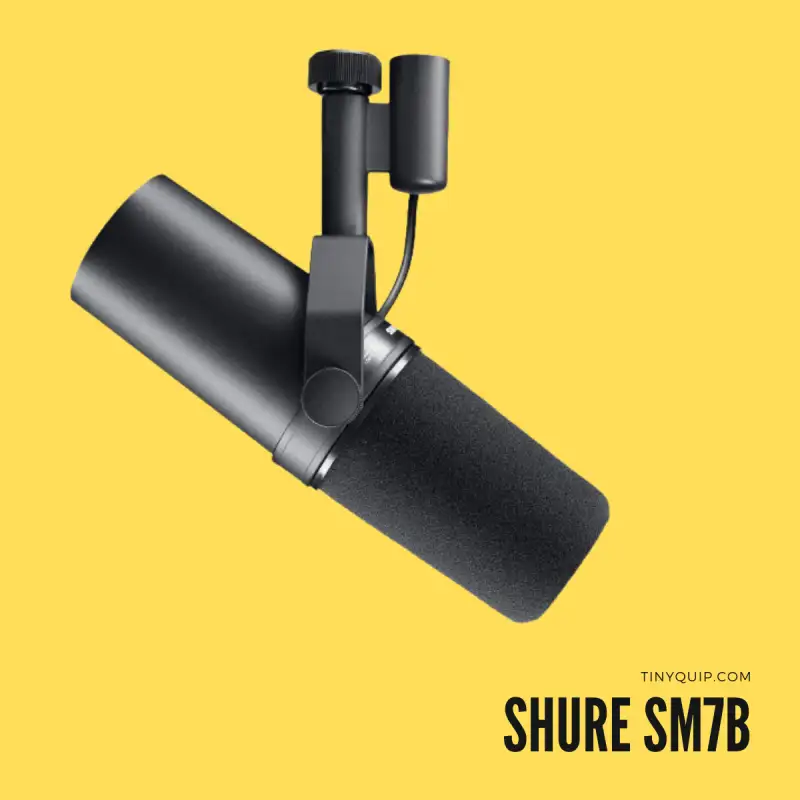
Here are my favorite 10 best microphones for podcasters that will make you sound-sick professional. And also budget-friendly for starters and professionals.
Podcast Scripting: The Index to Your Next Episode
The first crucial element for me when writing a podcast script is structure. It is very much like an index where the introduction comes first, the outro comes last, and everything in the middle needs to take your listener from one thought to another without making them wonder how you suddenly got there.
Every podcast script will look slightly different. A solo educational show may need detailed talking points and statistics, while an interview may only need an introduction, ten good questions, a few follow-up prompts, and an outro. A narrative podcast can sit on the other extreme and have almost every sentence, sound effect, pause, and piece of music written into the script.
Still, most podcast episodes use some combination of the following elements.
1. Introduction
Your introduction doesn’t need to become a speech before the actual podcast begins. Its job is simply to welcome the listener, establish what the episode is about, and give them a reason to continue listening.
If your show uses the same basic opening in every episode, that’s completely fine. Consistency can make the podcast familiar. You may have a short piece of theme music, introduce yourself and the show, and then move directly into what makes today’s episode worth listening to.
Something simple can work:
Welcome to [podcast name]. I am [host name], and today we are looking at [episode topic]. By the end of this episode, you should have a much clearer idea of [listener takeaway].
If there is a guest, introduce them here or immediately after the opening. If you have a co-host, you don’t necessarily have to formally introduce each other in every episode once the audience already knows you.
I would also write the introduction after outlining the rest of the episode. It sounds backwards, but once you know exactly what you have covered, it becomes much easier to promise the listener something meaningful rather than using generic lines such as “we have an exciting episode for you today.”
And if you are still putting the identity of your show together, spend some time on the podcast name and podcast cover art too. Those are usually what a potential listener encounters before they ever hear this introduction.
2. Guest Introduction, If You Have One
One thing I still see quite often is a host bringing in a guest with nothing more than their name and job title.
You don’t need to read their entire LinkedIn profile, but give the audience enough context to understand why this particular person is part of the conversation.
Instead of:
Today we have Michael, who works in finance.
You can give the listener something useful:
Joining me today is Michael, an analyst who has spent the last eight years studying small-cap companies and helping first-time investors understand how to evaluate them. I wanted him here because today’s episode is all about the numbers people often ignore before buying a stock.
The second introduction isn’t better because it is longer. It is better because it tells me why I should care about Michael’s opinion.
Before recording, I would also ask the guest how they prefer to be introduced and confirm things such as their job title, company name, pronunciation of their name, and anything from their background that you intend to mention. It is a small bit of preparation that saves an awkward correction once the microphones are already running.
Once your show reaches the publishing stage, all of this sits alongside things such as your title, artwork, description, and podcast RSS feed, which carries the information podcast apps use to identify and display your show.
3. The Main Topic or Segments
This is where most of your script lives, but don’t think of the body as one giant block of text. Break it into smaller sections, so you always know what the next part of the conversation is supposed to accomplish.
For example, if your episode is about starting a podcast, the body might look like:
Segment 1: Choosing the idea and format
Segment 2: Equipment and recording setup
Segment 3: Recording the first episode
Segment 4: Hosting and the podcast RSS feed
Segment 5: Publishing and promotion
Under each segment, you can write the important talking points, facts, examples, names, statistics, quotes, or personal stories you want to include.
This is also where the difference between an outline and a full script becomes useful. You may write a researched explanation word-for-word because you want to get the details right, and then switch back to three bullet points for a personal story you already know well.
There is no rule saying the entire document has to use the same scripting style.
4. Sponsor Message or Advertisement
The older version of this guide treated sponsor messages as if they belonged in predictable places such as immediately after the introduction or at the end. Podcast advertising has become much more flexible than that.
An ad may appear before the episode, somewhere in the middle, near the end, or be dynamically inserted by a hosting or advertising platform. The right placement depends on the sponsorship agreement, the format of the show, and how naturally the message fits into the episode.
If a brand provides mandatory talking points, URLs, disclosures, coupon codes, or exact wording, put all of those directly into the script. Don’t trust yourself to remember a six-character coupon code once you are twenty minutes into a conversation.
For a host-read message, the script can look like:
Before we move to [next topic], today’s episode is supported by [brand]. [Short explanation of what the product does and why it is relevant]. You can find the details in the episode description, and use [code] if you want to try it.
The most important thing is not to make a 45-second advertisement feel like a completely different person suddenly took over the microphone. Unless the advertiser requires exact copy, write it in the same language you normally use with your audience.
And if your podcast doesn’t have sponsors yet, simply leave this part out. A new show does not need fake ad breaks just because a podcast template contains one.
5. Segues and Transitions
Segue sounds like one of those unnecessarily fancy podcasting terms, but the idea is straightforward: you are moving the listener from one part of the episode to another.
A transition can be a sentence, a question, a short piece of music, a sound effect, or even a deliberate pause when the format supports it.
Suppose you have just finished discussing podcast microphones and are about to talk about editing. Instead of abruptly changing the subject, you could say:
Getting clean audio into the computer is only half the job, because now we need to decide what happens to that recording before anyone hears it.
That’s a segue.
You don’t need to script every transition beautifully. Even a simple line such as “That brings us to…” works when the conversation needs it. The goal is only to stop your episode from feeling like five separate pieces pasted together.
The transitions also become easier to work with when your show has a consistent identity. If you are still designing that side of the podcast, I have a separate list of the best apps to create podcast cover art without building everything from scratch.
6. Outro and Call to Action
Most podcast outros can be considerably shorter than creators make them.
You don’t need to summarize every point again. Remind listeners of the main idea if it helps, thank your guest if you had one, and then decide what you actually want the listener to do next.
That last part matters because many outros contain five calls to action: follow us, subscribe, rate us, review us, visit the website, follow Instagram, join the newsletter, watch YouTube, and send this episode to your cousin.
When everything is important, nothing really is.
Choose one or two actions that make sense for the episode. You might direct listeners to another episode, ask them to follow the show, point them toward a resource mentioned in the conversation, or invite them to join a newsletter.
For example:
That’s it for today’s episode. A big thank you to [guest] for joining me. If you want to go deeper into [topic], I have linked the resources we discussed in the episode notes. Follow the show if you want the next episode automatically when it goes live, and I will see you next week.
Add your closing music or credits after that if your podcast uses them.
That is enough.
Should You Write Every Word of a Podcast Script?
Not always, and this is one of the biggest changes I would make to my older advice.
I previously suggested avoiding word-for-word scripts because they can make a podcast sound like somebody is reading an essay. That can absolutely happen, but the problem isn’t the existence of a full script; it is how you write and deliver it.
A narrative podcast, documentary, news show, audio drama, sponsor read, or carefully researched explainer can benefit enormously from a full script. You may need exact wording because facts, timing, narration, clips, and sound design all need to line up.
An interview is different. Writing the guest’s side of a conversation would obviously make no sense, and scripting every response you plan to give can make you stop listening because you are too busy waiting for your next prepared line.
I would choose between three levels:
| Script Style | What You Write | Works Best For |
|---|---|---|
| Full script | Almost every spoken word, along with cues and transitions | Narrative shows, news, documentaries, scripted solo episodes, advertisements |
| Detailed outline | Main arguments, examples, facts, transitions, and some exact lines | Solo educational shows, co-hosted shows, structured discussions |
| Beat sheet | Topics, questions, prompts, and important facts | Interviews, casual conversations, experienced hosts |
You can also mix them inside the same episode. A scripted introduction, bullet-point discussion, exact sponsor read, and scripted outro is completely normal.
Podcast Script Templates and Examples
Now let’s turn this into something you can actually use.
1. Interview Podcast Script Template
An interview podcast doesn’t need pages of dialogue. You need enough preparation to make the conversation useful without deciding in advance what the guest is going to say.
I would structure it something like this:
Opening
- Theme music
- Welcome listeners
- Introduce episode topic
- Introduce guest and why they are relevant.
Conversation
- Opening question
- Guest background, if relevant
- Topic 1
- Main question
- Possible follow-up
- Fact or story you want to discuss
- Topic 2
- Main question
- Possible follow-up
- Topic 3
- Optional listener question
- Closing question
Outro
- Thank guest
- Mention where listeners can find them, if relevant.
- Episode CTA
- Outro music
I would usually send the guest the broad areas of discussion beforehand rather than giving them every exact question. You want them prepared enough to give useful answers, but not so rehearsed that both of you sound like you are reading from the same document.
During the interview, keep your questions in front of you but listen to the actual answers. If the guest says something interesting that opens an unexpected direction, follow it. The script is supposed to keep you from getting lost, not prevent you from exploring a better conversation.
And when you regularly have guests around the same equipment, remember that microphones themselves need some care too. I have a separate practical guide on how to clean your podcast microphones without damaging them.
2. Solo Podcast Script Template
Solo episodes usually benefit from more structure because there is nobody else in the room to create momentum when you lose your train of thought.
A simple solo template can be:
Introduction
- Welcome
- Hook
- Episode topic
- What the listener will learn
Main topic
- Point 1
- Explanation
- Example or story
- Supporting fact
- Point 2
- Explanation
- Example or story
- Point 3
- Explanation
- Actionable takeaway
Optional sponsor message
Conclusion
- Main takeaway
- CTA
- Preview of related or next episode
- Outro music
For example, suppose the episode is called Why Your First Podcast Doesn’t Need Expensive Equipment. You may fully script the opening because you want a strong hook, use notes while explaining the equipment, and then script the final 30 seconds so you know exactly where the episode ends.
The important thing is to write the way you speak. If a paragraph looks perfectly polished on the screen but requires you to take a breath halfway through every sentence, rewrite it.
3. Conversational or Co-Hosted Podcast Template
A conversational show needs structure, but too much scripting can kill exactly what makes it interesting.
You and your co-host could work from something like:
Opening
- Theme music
- Welcome
- Introduce topic
- Short opening discussion
Segment 1
- Question or topic
- Important points both hosts want to raise
- Relevant story or example
Segment 2
- Question or topic
- Opposing view or discussion point
- Supporting example
Segment 3
- Listener question, game, or recurring segment
- Closing thoughts
Outro
- Key takeaway
- CTA
- Next episode tease
The script here acts more like guardrails. If the conversation is great, you may spend 15 minutes on a point you expected to cover in five. That’s fine, provided you are conscious of it and know what needs to be shortened later.
A good example of a conversational interview format is The Ranveer Show on Spotify, where the structure gives the conversation direction without making every exchange feel pre-written.
I also wouldn’t script jokes or fake reactions unless that is intentionally part of the format. The casual chemistry between two hosts usually works because the reactions are real.
4. Narrative or Scripted Podcast Template
This format was missing from the older Tiny Quip guide, and it is exactly where a full podcast script makes the most sense.
A narrative episode may look like:
Cold open
- Strong scene, quote, moment, or question
Theme music
Host introduction
- Set up the story
- Establish context
Act 1
- Narration
- Interview clip
- Music or sound cue
- Additional narration
Act 2
- New information or conflict
- Interview or archival clip
- Explanation
Act 3
- Resolution or central takeaway
Outro
- Credits
- Sources or acknowledgements where necessary
- CTA
- Music
In this kind of show, you may write:
HOST: By the time the shop opened on Monday morning, the problem had already been building for six months.
[SFX: shop shutter opening]
[CLIP 03 – 00:14–00:27]
HOST: But nobody inside the company knew just how bad things had become.
Here, the script isn’t only telling the host what to say; it becomes a working document for the editor and production team too.
How I Would Write a Podcast Script From Scratch
Knowing the template helps, but staring at an empty document can still make your mind go blank. So this is the process I would actually follow.
Start With One Sentence
Before writing the introduction, finish this sentence:
By the end of this episode, I want the listener to understand ______.
If you cannot answer it, you probably haven’t narrowed the episode down enough.
An episode can explore several subtopics, but it should still have a central purpose. This one sentence helps you decide what belongs in the script and what can wait for another episode.
Create the Outline Before Writing the Lines
Write the major sections first and put them in the right order. At this stage, don’t worry about clever introductions, transitions, or perfect wording.
Your outline could be as simple as:
- Why people struggle with podcast scripts
- Full scripts vs outlines
- Basic script structure
- Templates for different shows
- Common mistakes
- Outro
Once the structure makes sense, filling it becomes much easier.
Add Facts, Examples, and Stories Under Each Section
This is where your episode becomes yours.
If you have statistics to quote, put the source beside them. If you need to pronounce someone’s name correctly, add a pronunciation note. If there is a personal story that explains the point better than another paragraph of advice, note it down.
I especially like doing this before I start writing full sentences because it prevents me from spending ten minutes polishing a section that eventually doesn’t belong in the episode.
Write for the Ear, Not the Eye
Articles and podcast scripts are both made of words, but people consume them differently.
When reading, someone can go back to the previous sentence. A podcast listener may be driving, walking, cooking, or working while listening, so complicated sentences are much easier to lose.
That doesn’t mean every line needs to be tiny. It means your thoughts should sound natural when spoken.
Read the script aloud as you write it. You’ll quickly notice words you would never actually use in conversation, sentences that need an extra breath, or paragraphs that sound much more formal through a microphone than they did on the screen.
Mark the Things You Shouldn’t Forget
A useful podcast script contains more than dialogue.
I like adding notes such as:
[PAUSE]
[PLAY CLIP 2]
[SPONSOR]
[ASK FOLLOW-UP IF RELEVANT]
[CHECK PRONUNCIATION]
[MUSIC IN]
[CTA]
These notes save you from remembering production details while simultaneously trying to speak naturally.
Rehearse Once, Then Edit the Script
I wouldn’t rehearse a conversational podcast ten times, because eventually it starts sounding rehearsed.
But I would always read through the structure once before recording. A read-through tells you whether the order makes sense, whether one section is disproportionately long, and whether your transitions sound normal.
For a fully scripted show, rehearsal matters even more. You can adjust punctuation around your natural speaking rhythm, mark pauses, shorten lines, and make the script easier to perform instead of merely easier to read.
How Long Should a Podcast Script Be?
The older version of this guide said a 20-minute podcast script would contain roughly 2,500–3,500 words. The lower part of that range is reasonable for a fully scripted episode, but there isn’t one reliable word count because speaking pace and the format of the show make a big difference.
A conversational speaking pace often sits somewhere around 120–160 words per minute, which means a continuously spoken 20-minute script could roughly fall between 2,400 and 3,200 words. In reality, music, pauses, clips, guest responses, laughter, and transitions all take time without adding words to your document.
So I wouldn’t try to hit a word count simply because your episode needs to be 20 minutes long.
Read it aloud and time it. That tells you far more than the word counter does.
More Things I Would Do Before Recording the Script
There are a few habits that make podcast scripts much easier to work with once the microphone turns on.
Keep the language conversational: If you wouldn’t naturally use a particular word while explaining something to a friend, there is a good chance it will sound strange when you read it into a microphone. You don’t have to make the language overly casual; you just need it to sound like you.
Do not hesitate to make edits: There will always be a few lines that looked great when you wrote them and sound completely wrong once spoken. Change them. The script is there to make the recording better, not to prove that the first draft was perfect.
Fact-check names, numbers, and claims: It is very easy to confidently misread a number or pronounce someone’s name incorrectly when it is sitting in the middle of a page. Highlight anything that needs verification before recording.
The podcast script is great, but is your microphone? A strong script can still be painful to listen to when the recording is full of echo, distortion, or background noise. If you are still working on the recording side, here are my picks for the best microphones for podcasting.
Don’t force an episode to be short or long: My older advice suggested keeping podcast episodes short because long episodes can become boring. I wouldn’t put it that way anymore. A boring 15-minute episode is still boring, while an excellent two-hour conversation can hold people surprisingly well. Write enough to serve the topic and remove what doesn’t earn its place.
Use the right amount of scripting for the format: A full script can make an interview stiff, while three bullet points may not be enough for a researched documentary. The format should decide how much you write.
Keep CTAs under control: Decide what you want the listener to do after the episode instead of turning your outro into a list of every platform your podcast exists on.
Practice the difficult parts: If there is a technical explanation, long name, sponsor line, or important quote that you keep stumbling over, rehearse that section separately instead of repeatedly running through the entire episode.
Common Podcast Script Mistakes
Most scripting problems come from going too far in either direction. Some hosts write so much that the episode starts sounding like somebody reading a blog post. Others prepare almost nothing and spend half the recording trying to remember the point they wanted to make.
A few things I would watch for are:
- writing formal sentences you would never naturally say;
- scripting every response in a conversation instead of actually listening;
- having no structure at all because you want the show to feel spontaneous;
- including too many topics in one episode;
- forgetting to source statistics, quotes, or important claims;
- writing an introduction before you know what the episode ultimately covers;
- giving the listener too many CTAs;
- forgetting production cues for clips, music, sponsors, or transitions;
- assuming every episode needs the same script format.
A script should reduce the mental work you have to do while recording. If it makes recording harder, change the script.
Frequently Asked Questions [FAQs]
A podcast script is the written plan for an episode. It can range from a complete word-for-word script to an outline containing only topics, questions, facts, transitions, and production cues. Its purpose is to give the episode direction and help the host cover what matters without losing the natural style of the show.
A typical podcast script can include an introduction, guest introduction if needed, main topics or segments, optional sponsor messages, transitions, and an outro with a call to action. The exact structure changes depending on whether you are recording a solo, interview, conversational, or narrative podcast.
At roughly 120–160 spoken words per minute, 20 minutes of continuous scripted speech would be around 2,400–3,200 words. Your actual script may be much shorter if the episode contains guest answers, music, clips, pauses, or unscripted discussion.
Only when the format benefits from it. Narrative, news, documentary, advertising, and heavily researched shows may work well with a full script. Interviews and casual discussions are usually better with questions, talking points, and a structured outline instead of complete dialogue.
Write the way you naturally speak, read the script aloud before recording, shorten sentences that are difficult to say, and leave yourself some freedom to change the wording while recording. A script should guide your thoughts rather than force you to perform every comma exactly as written.
Yes. For many interview and conversational podcasts, bullet points or a beat sheet are enough. You can also combine both approaches by fully scripting the introduction, important explanations, advertisements, and outro while using bullet points for the main discussion.
Wrapping Up: Write a Podcast Script That Helps You Speak
A podcast script should make recording easier, not turn the microphone into an exam where you are trying to remember every word you wrote the night before.
Start with the point of the episode, build a simple structure around it, and then decide how much of that structure genuinely needs to be written word-for-word. A solo explainer may need detailed notes, an interview may only need good questions, and a narrative episode may require a complete script with audio and production cues.
Then read it aloud.
That last step will usually tell you more about the quality of your podcast script than another hour spent editing it on the screen. You will hear which sections drag, which sentences don’t sound like you, and where the episode needs a better transition.
Keep what helps you speak naturally, remove what doesn’t, and let the script do what it was meant to do: keep you on track while you focus on having a good episode.
You can also find more helpful podcast guides on Tiny Quip as you move from scripting into recording, publishing, and growing the show.
Before You Leave
Get Our Prime Content Delivered to your Inbox for Free!! Join the Ever-Growing Community… Right Now.
Give this article a quick share,